

Sticky Cabinets: How to Clean and Wash Kitchen and Bathroom Surfaces
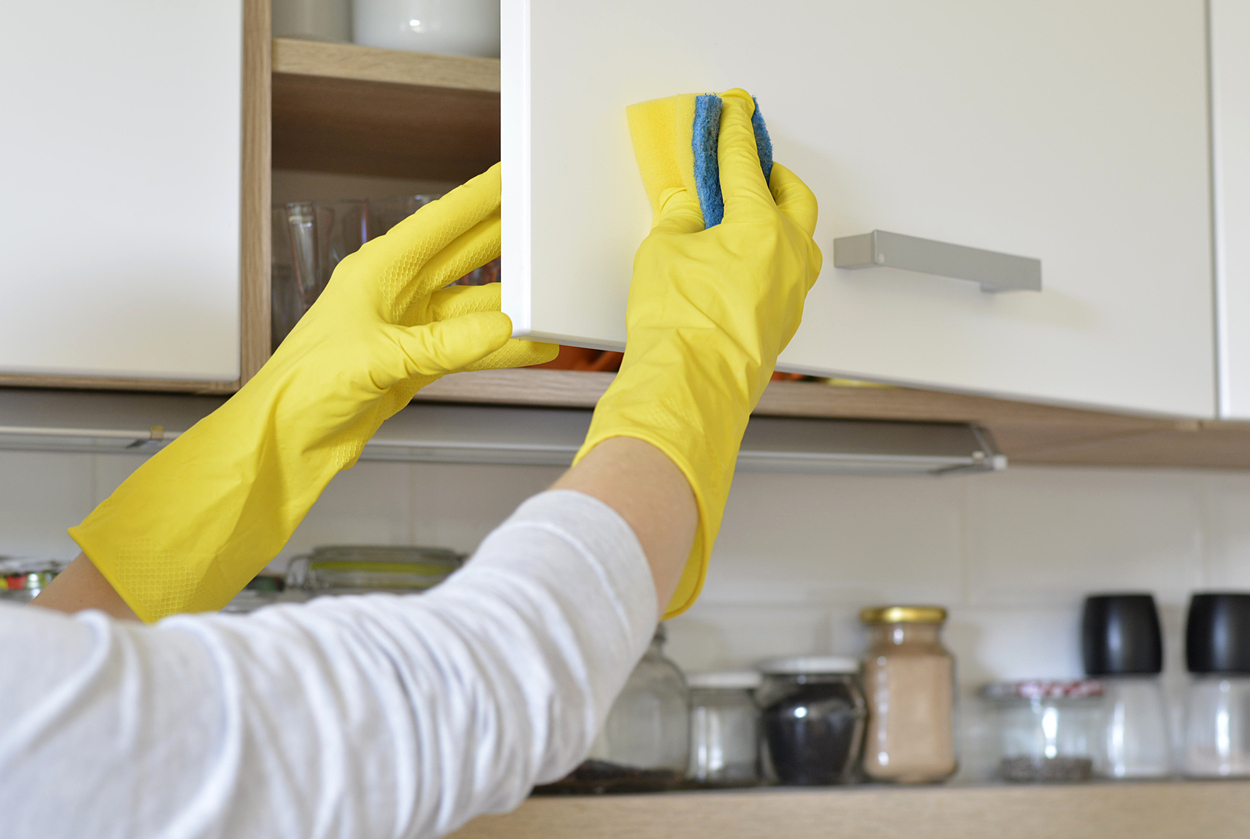
Introduction to Sticky Surfaces
Kitchen and bathroom cabinets are prone to accumulating a sticky residue over time. In the kitchen, this is often a combination of airborne grease from cooking and household dust. In bathrooms, it might be a mix of hairspray, soap scum, and humidity. Understanding what you are dealing with is the first step to an effective clean. This guide provides a comprehensive approach to restoring your cabinets to their original luster without damaging the finish.
Why Cabinets Get Sticky
The primary culprit in the kitchen is grease. When you cook, tiny oil particles become airborne and settle on nearby surfaces. Once they land, they act like a magnet for dust, creating a stubborn, tacky layer. In bathrooms, the high humidity can cause cleaning products and toiletries to leave a film that traps particles. If left unaddressed, these layers can harden, making them much harder to remove and potentially damaging the paint or wood finish of your cabinetry over time.
Safe Cleaning Solutions
-
Mild dish soap and warm water
-
Vinegar and water solution for grease
-
Baking soda paste for tough spots
Important Guidelines:
-
Avoid harsh abrasive scrubbers
-
Use soft microfiber cloths
-
Always dry surfaces immediately
The Cleaning Process
Cleaning sticky cabinets requires a gentle but effective touch to ensure you remove the grime without stripping the protective finish.
Step 1: Dusting
Before applying any liquid cleaners, use a dry microfiber cloth or a vacuum with a soft brush attachment to remove loose dust and hair. This prevents you from just spreading the dirt around once you start washing.
Step 2: Degreasing
Mix a few drops of grease-cutting dish soap in a bowl of warm water. Dip a soft cloth into the solution, wring it out well so it’s damp but not dripping, and wipe down the cabinet surfaces. For heavier grease buildup in the kitchen, a 50/50 mix of white vinegar and warm water can be very effective at breaking down the oils without harsh chemicals.
Step 3: Deep Cleaning
For particularly stubborn sticky spots, create a paste using baking soda and a small amount of water. Apply it to the spot and let it sit for a few minutes before gently wiping it away with a damp cloth. Be careful not to scrub too hard, as baking soda is mildly abrasive. Once the stickiness is gone, wipe the entire area with a clean, damp cloth to remove any soap or vinegar residue. Finally, use a dry towel to buff the surface dry to prevent water spots or wood swelling.
Bathroom Specific Tips
Bathroom cabinets often face different challenges than kitchen ones. Sticky residues here are frequently caused by hairspray, lotions, and toothpaste splatter. These substances can be particularly difficult once they dry and bond with the surface in a humid environment. Regular wiping after use can prevent this buildup, but for deep cleaning, a specialized approach is needed.
Removing Hairspray
Hairspray is designed to stick, and it does so very well on cabinet doors. Rubbing alcohol on a cotton ball can often dissolve hairspray spots quickly. However, always test this in an inconspicuous area first, as alcohol can damage some finishes. Alternatively, a mixture of dish soap and a little bit of fabric softener can help break the bond of the hairspray without being too aggressive on the paint.
Dealing with Humidity
High humidity in bathrooms can make surfaces feel tacky even when they are clean. Ensure your bathroom is well-ventilated by using the exhaust fan during and after showers. This reduces the moisture that allows dust and products to settle and stick to your cabinets.
Hardware Care
Don’t forget the handles and knobs! These are high-touch areas that accumulate oils from your hands. Remove them occasionally for a deep soak in soapy water to keep them looking new and feeling clean.
Maintenance Schedule
To keep your cabinets from becoming sticky again, implement a quick weekly wipe-down with a damp microfiber cloth. In the kitchen, wipe cabinets near the stove after every major cooking session to catch grease before it settles.
Top Cleaning Tools:
-
Microfiber cloths
-
Soft toothbrushes
-
Non-abrasive sponges
-
White vinegar
-
Gentle dish soap
Final Thoughts
Maintaining clean, non-sticky cabinets not only makes your home look better but also extends the life of your cabinetry. By using gentle cleaners and staying on top of regular maintenance, you can avoid the frustration of stubborn grime and enjoy a fresh, clean kitchen and bathroom every day.