

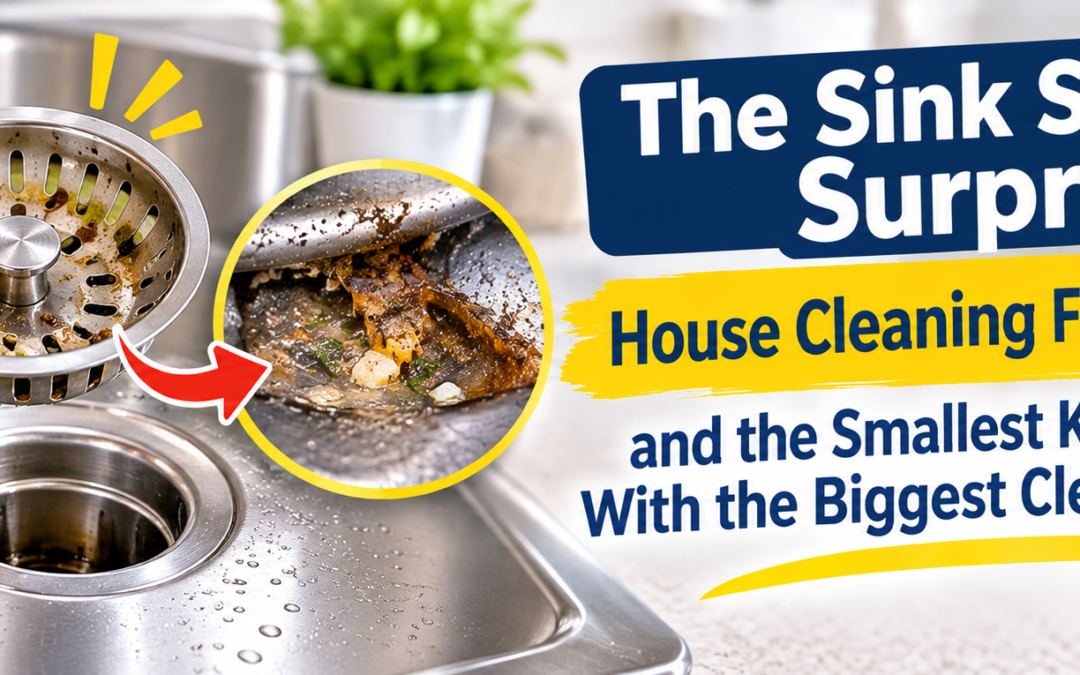
When homeowners think about keeping their kitchens clean, they usually focus on countertops, stovetops, cabinet doors, and floors. However, one of the smallest kitchen components can have a surprisingly significant impact on overall cleanliness: the sink strainer. Often overlooked during everyday cleaning, this small fixture catches food particles, grease, soap residue, and other debris that can gradually accumulate and create unpleasant odors. For homeowners looking for dependable house cleaning Fort Worth TX, understanding how to clean the sink strainer and surrounding sink components is an important part of maintaining a fresh and hygienic kitchen.
The kitchen sink is one of the most frequently used areas in any household. It handles everything from washing vegetables and rinsing dishes to cleaning cooking utensils and disposing of leftover food particles. Because of this constant activity, the sink and its components are exposed to a combination of moisture, food residue, oils, and cleaning products.
Even when the visible basin looks clean, the strainer, drain opening, rubber edges, and surrounding seams may still contain hidden buildup. These small spaces can become difficult to clean when residue is allowed to accumulate.
At Dust Bunnies, we believe a truly clean kitchen requires attention to both visible surfaces and the little details that are easy to forget. Understanding the sink strainer surprise can help homeowners improve their cleaning routines and prevent minor maintenance issues from becoming bigger household frustrations.
Why the Kitchen Sink Strainer Deserves More Attention
The sink strainer may be small, but it performs an important job. It helps catch food scraps and larger debris before they enter the drain. Although this makes kitchen cleanup easier, it also means the strainer regularly collects materials that need to be removed and cleaned.
Every time dishes are rinsed or food is washed away, small particles can become trapped in the strainer’s openings. Grease, starch, and other cooking residues may also cling to its surface.
Over time, these materials can create a layer of buildup that is not always noticeable at first.
Homeowners researching Fort Worth cleaning services should understand that kitchen cleanliness goes beyond wiping down the countertop and washing the sink basin. The smaller components deserve regular attention too.
Several common materials contribute to sink strainer buildup:
- Food particles: Small pieces of vegetables, rice, pasta, and other leftovers can become trapped in the openings.
- Grease and cooking oils: Residue from pans and dishes can cling to metal and plastic surfaces.
- Soap residue: Dishwashing liquid can leave a film when mixed with food debris and hard water.
- Mineral deposits: Water minerals may leave visible spots and residue around the strainer.
- Moisture: Constant exposure to water creates conditions where unpleasant odors and certain types of microbial growth may develop.
When these materials are not removed regularly, even a recently cleaned kitchen can have an unpleasant smell or an unclean appearance.
The Hidden Areas Around Your Sink That Collect Residue
Cleaning the sink basin alone does not address every area where kitchen debris can accumulate. Several surrounding components deserve attention during regular maintenance.
1. The Sink Strainer Basket
The strainer basket is the first place to inspect because it directly collects food particles.
Small openings can trap pieces of food that remain even after the basket has been rinsed. Grease and soap residue may also form a sticky layer around the mesh or perforated surface.
A quick rinse may remove loose debris, but it may not eliminate residue attached to the basket.
Remove the strainer when possible, empty its contents, and scrub both sides using a suitable dish brush and cleaning solution. Rinse thoroughly and allow it to dry before putting it back.
2. The Drain Opening and Inner Rim
The area immediately beneath the strainer is another commonly forgotten cleaning spot.
Food particles and grease can collect along the drain opening, especially around the rim where the strainer sits. The narrow edges make this area difficult to reach with an ordinary sponge.
Use a small cleaning brush to carefully remove visible residue from accessible surfaces.
Avoid placing your fingers deep inside the drain or using harsh chemicals that may damage plumbing components.
3. The Rubber Seal and Strainer Edges
Some sink strainers include rubber seals or removable components that help create a tighter fit.
These edges can trap moisture, soap film, and small food particles. Because they are not always visible during ordinary cleaning, they may be neglected for long periods.
If the component is removable, clean it according to the manufacturer’s instructions. Check for discoloration, deterioration, or persistent residue.
4. The Sink-to-Countertop Seam
The narrow seam where the sink meets the countertop can also collect crumbs, water, and cleaning product residue.
Because this area is frequently exposed to splashes, moisture can remain trapped along the edges.
Use a soft cloth to clean the accessible seam and dry the surrounding surface afterward. Avoid aggressive scrubbing that could damage the caulk or countertop finish.
5. The Faucet Base and Nearby Edges
Water frequently splashes around the faucet, creating another area where mineral deposits and soap residue may accumulate.
The faucet base, handles, and surrounding sink edges should be included in a complete kitchen cleaning routine.
Paying attention to these small areas helps maintain a cleaner appearance throughout the sink area.
How Food Particles and Grease Create a Bigger Cleaning Problem
Food particles may seem harmless when they are caught in a strainer, but leaving them in place can lead to several avoidable problems.
Unpleasant Kitchen Odors
One of the first signs of neglected sink maintenance is an unpleasant smell.
Food particles left in a moist environment can begin decomposing. When mixed with grease and other organic materials, they may produce odors that spread throughout the kitchen.
Even if the countertops and floors are spotless, an unpleasant drain or sink smell can make the entire kitchen feel unclean.
Regularly emptying and washing the strainer helps reduce this problem.
Sticky Residue and Difficult Buildup
Grease is particularly troublesome because it can cling to metal, plastic, and surrounding surfaces.
When grease combines with soap residue and food particles, it can create a sticky layer that becomes increasingly difficult to remove.
Instead of relying on a quick rinse, homeowners should periodically scrub the strainer and accessible surrounding surfaces.
Potential Drain Problems
A sink strainer helps prevent larger food particles from entering the drain, but it cannot eliminate every potential plumbing issue.
When food scraps, oils, and other materials are repeatedly washed into the drain, they may contribute to buildup in the plumbing system.
Avoid pouring cooking grease or oil down the sink. Dispose of it appropriately, and remove food scraps before washing dishes.
If water drains slowly or backups occur, contact a qualified plumbing professional rather than attempting to solve a deeper plumbing problem through ordinary surface cleaning.
A Step-by-Step Guide to Cleaning Your Kitchen Sink Strainer
Keeping the strainer clean does not require complicated equipment. A few basic supplies and a consistent routine can make the process much easier.
Step 1: Remove and Empty the Strainer
Begin by lifting the removable strainer basket from the sink.
Dispose of collected food scraps in the trash or compost bin, where appropriate. Avoid pushing solid debris into the drain.
Removing the debris first makes the remaining cleaning process more effective.
Step 2: Wash With Warm Water and Dish Soap
Rinse the strainer under warm running water to loosen food particles.
Apply dish soap and use a small cleaning brush to scrub the surface. Pay attention to the openings, edges, and underside where residue may remain.
For stubborn buildup, allow the soapy solution to sit briefly before scrubbing again.
Step 3: Clean the Drain Rim
With the strainer removed, inspect the surrounding drain opening.
Use a small brush or microfiber cloth to remove accessible food residue and soap film.
Be careful not to push debris farther into the plumbing.
Step 4: Address Mineral Deposits
If you notice white or cloudy spots around the sink strainer, they may be mineral deposits from water.
A cleaning solution appropriate for your sink material can help loosen these deposits.
For compatible surfaces, diluted white vinegar may help with mineral residue. However, avoid using vinegar on natural stone or other acid-sensitive materials. Never mix vinegar with bleach or other cleaning chemicals.
Step 5: Clean the Entire Sink Basin
Once the strainer and drain rim are clean, move on to the basin.
Use a cleaner appropriate for the sink material and scrub gently. Pay attention to corners, seams, faucet bases, and areas where water frequently collects.
Step 6: Rinse and Dry
Rinse away all cleaning product residue.
Dry the strainer and surrounding sink surfaces with a clean microfiber cloth. Returning the clean strainer to a dry or properly drained sink helps minimize lingering moisture.
Common Kitchen Sink Cleaning Mistakes to Avoid
Even homeowners who clean their kitchens daily can make mistakes that allow sink residue to accumulate.
Here are some common habits worth correcting:
1. Cleaning only the sink basin. The strainer, drain rim, faucet base, and surrounding seams need attention too.
2. Leaving food particles in the strainer overnight. Food debris can begin breaking down, especially when exposed to moisture.
3. Assuming hot water removes all grease. Hot water may loosen some residue, but it does not replace proper cleaning and appropriate grease disposal.
4. Using abrasive scrubbers on delicate sinks. Certain materials can scratch easily. Always choose tools suitable for the sink’s finish.
5. Ignoring the underside of removable components. The bottom of the strainer can hold residue that is invisible when the basket is installed.
6. Mixing cleaning chemicals. Combining products such as bleach and vinegar can release dangerous gases. Use one appropriate cleaning product at a time and follow its instructions.
7. Forgetting to dry the surrounding area. Leaving water around the sink edges can contribute to mineral spotting and persistent moisture.
A consistent approach is more effective than waiting until the sink develops visible buildup or unpleasant odors.
How Often Should You Clean Your Sink Strainer?
The ideal cleaning frequency depends on how often the kitchen is used and the amount of food preparation taking place.
For most households, a simple maintenance schedule can prevent excessive buildup.
Consider these recommendations:
- After each use: Remove visible food scraps and rinse the strainer.
- Daily: Wash the strainer with dish soap when the kitchen is used frequently.
- Several times a week: Clean the drain rim, faucet base, and surrounding sink edges.
- Weekly: Give the entire sink a more detailed cleaning, including removable components.
- Monthly: Inspect seals, accessible drain components, and surrounding seams for persistent residue or signs of deterioration.
Households that cook frequently or have several family members using the kitchen may need more frequent cleaning.
The goal is to make sink maintenance part of everyday kitchen care rather than an occasional deep-cleaning project.
Why Professional House Cleaning Fort Worth TX Helps Maintain a Cleaner Kitchen
A clean kitchen involves more than washing dishes and wiping countertops. Small details such as sink strainers, faucet bases, cabinet edges, and backsplash corners can influence the overall appearance and condition of the space.
Professional house cleaning Fort Worth TX services can help homeowners maintain a consistent cleaning routine while giving attention to areas that are frequently overlooked.
At Dust Bunnies, we recognize that the little details matter. A clean kitchen should look fresh, feel comfortable, and receive attention beyond the most visible surfaces.
Residential Cleaning for Everyday Kitchen Maintenance
A regular residential cleaning Fort Worth schedule can help manage everyday dust, crumbs, grease, and household debris.
Homeowners looking for professional cleaners Fort Worth may benefit from establishing a cleaning routine that addresses frequently used areas, including kitchen counters, sinks, appliances, and floors.
Whether you need recurring cleaning Fort Worth or weekly cleaning Fort Worth TX, consistent maintenance can make it easier to keep your kitchen presentable.
Choosing reliable house cleaning services in Fort Worth TX can also help busy households maintain a cleaner living environment without having to manage every cleaning task themselves.
Deep Cleaning for Hard-to-Reach Kitchen Areas
Regular cleaning helps maintain visible surfaces, but some areas need additional attention.
Grease around cabinet edges, residue near appliances, neglected sink corners, and buildup on other kitchen surfaces may require more detailed work.
Professional deep cleaning Fort Worth TX services can help address accumulated dirt and overlooked surfaces, depending on the agreed cleaning scope.
Homeowners comparing affordable deep cleaning services in Fort Worth should ask what is included in each package and whether detailed kitchen cleaning is available.
Move-In and Move-Out Cleaning
Moving into a new property is an excellent opportunity to start with a cleaner kitchen.
Sink strainers, drain rims, cabinet interiors, countertops, and appliance surfaces should be inspected before everyday use begins.
Professional move in cleaning Fort Worth TX can help prepare a new home, while move out cleaning Fort Worth can help leave a property cleaner for its next occupants.
If you are searching for a move out cleaning service in Fort Worth TX, consider asking whether the kitchen sink, faucet fixtures, and other frequently used surfaces are included.
Apartment, Office, and Commercial Cleaning
Kitchen sinks are not limited to residential homes. Apartments, office break rooms, and commercial properties also have frequently used sink areas.
Professional apartment cleaning Fort Worth can help maintain smaller kitchens and shared living spaces.
For businesses, office cleaning Fort Worth TX can address common areas, break rooms, countertops, and frequently touched surfaces.
Property managers and business owners looking for commercial cleaning Fort Worth should consider the importance of maintaining shared kitchen and food-preparation areas.
For properties affected by remodeling or construction, post construction cleaning Fort Worth can help remove fine dust and debris from cabinets, countertops, fixtures, and other accessible surfaces.
Additional services such as carpet cleaning Fort Worth TX may also be useful when maintaining a more complete cleaning routine throughout a property.
Choosing the Right Cleaning Company for Your Fort Worth Property
Finding a cleaning provider that understands your household’s needs can make maintaining a clean home much easier.
When comparing a cleaning company Fort Worth TX, consider the provider’s service options, communication, reliability, and attention to detail.
Here are a few things to look for:
- Clear cleaning packages: Understand the difference between standard, recurring, and deep cleaning.
- Attention to overlooked surfaces: Ask whether sink edges, faucet bases, and accessible kitchen components are addressed.
- Flexible scheduling: Choose a service that can accommodate your preferred cleaning frequency.
- Consistent quality: Look for a provider that values thoroughness and dependable results.
- Transparent pricing: Make sure you understand what is included before booking.
Homeowners searching for the best cleaners in Fort Worth TX or a top cleaning company Fort Worth Texas should compare the actual services offered rather than relying on advertising alone.
If you need an affordable maid service Fort Worth, review the cleaning scope to make sure it matches your expectations.
For households that need urgent assistance, asking about same day cleaning Fort Worth TX availability can help determine whether a provider can accommodate your schedule.
You may also want to explore eco friendly cleaning Fort Worth options if you prefer products selected with environmental considerations in mind.
Ultimately, finding a professional maid service near Fort Worth Texas means choosing a provider that understands the importance of a clean and comfortable home.
When comparing options, look for trusted home cleaners in Fort Worth texas who communicate clearly and offer services suited to your property’s needs.
Keep the Small Details From Becoming Big Cleaning Problems
The kitchen sink strainer may be one of the smallest components in your home, but neglecting it can affect the cleanliness and freshness of an entire kitchen.
Food particles, grease, soap residue, and moisture can accumulate in places that are easy to miss during everyday cleaning. Fortunately, regular maintenance makes these areas much easier to manage.
By cleaning the strainer, inspecting the drain rim, wiping surrounding edges, and maintaining the entire sink area, homeowners can prevent unnecessary buildup and create a more pleasant kitchen environment.
At Dust Bunnies, we believe that great cleaning starts with attention to detail. From frequently used kitchen surfaces to the smallest overlooked corners, every area contributes to the overall cleanliness of your home.
If you are looking for dependable house cleaning Fort Worth TX, Dust Bunnies can help you maintain a cleaner and more comfortable living space.
Contact us at 972–254–8858 or visit https://dustbunniesinc.net/fort-worth/ to book your service.