

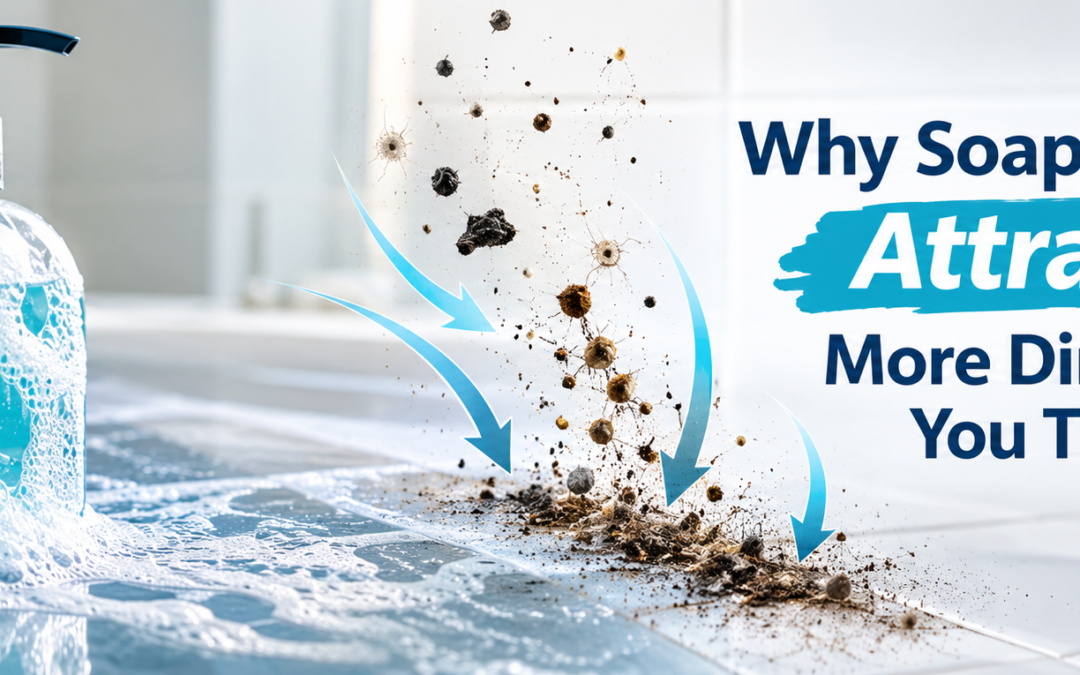
Soap is supposed to help things get clean, but what happens when some of that soap doesn’t rinse away? Over time, leftover soap residue can create a sticky or filmy layer that attracts dust, dirt, oils, and other debris. This is one reason a bathroom, kitchen, or laundry area can look dirty again shortly after it has been cleaned. A good House Cleaning Arlington TX routine isn’t just about using the right cleaning products — it is also about making sure those products are properly rinsed and removed.
Soap residue is easy to overlook because it often starts as a thin, nearly invisible film. You may notice it as cloudy glass, dull fixtures, slippery surfaces, or a slightly sticky feeling around a sink. Eventually, that residue can collect more grime and make surfaces harder to clean.
Understanding why this happens can help you prevent buildup and keep your home looking cleaner for longer.
What Exactly Is Soap Residue?
Soap residue is the material left behind when soap or a soap-based product doesn’t completely rinse away.
It can come from traditional bar soap, body wash, hand soap, dish soap, laundry products, and other cleaning products. Depending on the surface and the type of product, the leftover film can contain soap compounds, oils, minerals from water, and other ingredients.
When residue remains on a surface, it can create a layer that attracts additional particles.
That creates a cycle:
Soap residue → sticky or dull surface → dirt sticks → more buildup → harder cleaning
The problem can become especially noticeable in areas where soap and water are used frequently.
Where Does Soap Residue Build Up?
Some of the most common locations include:
- Shower walls
- Bathtubs
- Shower doors
- Bathroom sinks
- Faucets
- Countertops
- Kitchen sinks
- Dishwashing areas
- Laundry surfaces
- Soap dispensers
- Tile and grout
These areas may look clean immediately after use but develop buildup gradually.
Why Does Soap Residue Attract Dirt?
The answer comes down to what happens when residue remains on a surface.
A completely clean, dry surface generally gives dirt fewer things to cling to. A surface with a film of leftover product can be different.
The residue may create a slightly tacky or uneven layer. Dust, hair, skin oils, and other particles can then stick to it more easily.
Residue Creates a Sticky Surface
You don’t necessarily need to see a thick layer of buildup for it to cause problems.
Even a thin film can change the way a surface feels.
For example, a bathroom counter may appear clean after wiping it down. But if the cleaning process leaves behind product residue, dust can settle onto the surface and combine with that film.
Eventually, the surface can look dull or feel slightly sticky.
Water Minerals Can Make the Problem Worse
Water contains naturally occurring minerals. When water evaporates, those minerals can remain behind on surfaces.
When mineral deposits combine with soap residue, the resulting buildup can become more difficult to remove.
This is especially noticeable on:
- Glass shower doors
- Chrome fixtures
- Faucets
- Shower walls
- Tile
- Bathtubs
The combination of soap residue and minerals is one reason a surface may develop a cloudy or chalky appearance.
Soap Scum Is More Than Just a Cosmetic Problem
When people hear “soap scum,” they often think about a bathtub that looks unpleasant.
But soap buildup can also make cleaning more difficult.
Once residue has accumulated, new dirt has something to cling to. This can create layers that require more effort to remove than the original residue would have required.
That means preventing buildup is often easier than waiting until it becomes a major cleaning project.
For homeowners using Arlington cleaning services, this is also one of the reasons routine maintenance can make a difference. Regular cleaning helps prevent residue from becoming deeply established.
The Bathroom Is the Biggest Trouble Spot
Bathrooms are particularly vulnerable to soap residue because they combine soap, water, humidity, and frequent use.
Shower Walls
Every shower creates an opportunity for soap and body products to contact the walls.
If those products aren’t rinsed away completely, residue can remain behind.
Over time, you may notice:
- Dull-looking tile
- Cloudy surfaces
- Slippery spots
- White or gray buildup
- Discolored grout
- Sticky areas
A quick rinse after showering can help reduce the amount of product left behind.
Shower Doors
Glass shower doors can make soap residue especially obvious.
Clear glass reveals cloudy film, water spots, and streaks that might not be noticeable on darker surfaces.
Regularly rinsing and drying shower doors can help prevent buildup from becoming difficult to remove.
Faucets and Fixtures
Soap often gets onto faucets when people wash their hands.
If the faucet isn’t rinsed or wiped afterward, soap residue can mix with water minerals and create a dull coating.
The more frequently the fixture is used, the faster this cycle can happen.
Your Kitchen Can Have Soap Residue Too
Soap residue isn’t limited to bathrooms.
The kitchen has its own collection of potential buildup.
Dish Soap Around the Sink
Dish soap can leave behind residue around the sink, especially if it isn’t thoroughly rinsed.
Over time, this may combine with food particles, grease, and dust.
The result can be a surface that feels grimier than expected despite regular cleaning.
Soap Dispensers
The area underneath a hand-soap dispenser is another commonly overlooked spot.
Small amounts of soap can drip onto the counter repeatedly. As the residue dries, it can collect dust and other particles.
A simple wipe around the base of the dispenser can prevent that buildup from becoming noticeable.
Sponges and Cleaning Tools
Cleaning tools themselves can also contribute to residue.
If a sponge or cloth isn’t rinsed properly, leftover soap and dirt can remain in it. Reusing it later may spread residue rather than completely removing it.
Cleaning tools need maintenance too.
More Soap Doesn’t Always Mean More Clean
One of the most common cleaning misconceptions is that using more product will automatically produce better results.
In reality, using too much soap or cleaning solution can leave behind excess product that requires additional rinsing.
This is especially important when cleaning:
- Floors
- Countertops
- Glass
- Tile
- Wood surfaces
- Appliances
Always follow the product’s recommended dilution and usage instructions.
More product can sometimes mean more residue — not a cleaner surface.
The Difference Between Cleaning and Rinsing
Cleaning and rinsing serve different purposes.
Cleaning helps loosen and remove dirt, grease, oils, and other contaminants.
Rinsing helps remove the remaining cleaning product and loosened debris.
If a product is designed to be rinsed away but isn’t properly removed, some of it can remain on the surface.
This is why the final step of a cleaning process matters.
A Simple Two-Step Habit
When appropriate for the surface:
Step 1: Clean the surface.
Use the appropriate product to remove dirt and buildup.
Step 2: Remove the remaining product.
Rinse or wipe according to the product directions and surface requirements.
For surfaces that should not be saturated with water, use a clean, damp cloth as appropriate and follow manufacturer instructions.
How to Prevent Soap Residue From Building Up
The good news is that preventing residue doesn’t require a complicated system.
Small habits can make a noticeable difference.
Rinse Shower Surfaces
After showering, rinse soap and body-product residue from walls and fixtures when practical.
A handheld showerhead can make this easier.
Use a Squeegee on Glass
A quick pass over a shower door can remove excess water before it evaporates.
This can reduce the amount of water and product residue left behind.
Wipe Down Frequently Used Fixtures
Faucets, sink areas, and soap dispensers benefit from quick wipe-downs.
You don’t need to perform a deep clean every day.
The goal is to stop small amounts of residue from becoming layers of buildup.
Use the Right Amount of Product
Follow the label instructions instead of automatically adding more.
This applies to dish soap, floor cleaner, laundry products, and household cleaning solutions.
Keep Cleaning Tools Clean
Rinse cloths, sponges, brushes, and other reusable tools thoroughly after use.
A dirty cleaning tool can redistribute residue and grime across a surface.
Why Residue Can Make Your Home Look Dirty Again Faster
Imagine cleaning a bathroom counter.
You wipe away visible dirt, but a thin layer of product remains.
Later, dust settles onto the surface. A few water droplets land nearby. Someone washes their hands and touches the counter.
Now the residue has collected additional particles.
The counter may begin looking dull or dirty again much faster than expected.
This can make homeowners feel like they are constantly cleaning the same area.
The problem may not be that the area isn’t being cleaned.
It may be that residue is creating a surface where new dirt can accumulate more easily.
When Regular Cleaning Isn’t Enough
Once soap residue has been allowed to build up for a long time, a basic wipe may not be enough.
Thick buildup may require more targeted cleaning methods and additional time.
This is where deep cleaning Arlington TX can be useful.
A deep cleaning can focus on areas that aren’t always included in a quick maintenance routine, including buildup around fixtures, edges, corners, bathroom surfaces, and other commonly overlooked areas.
The specific cleaning method should always depend on the material being cleaned.
Aggressive scrubbing or harsh chemicals aren’t appropriate for every surface.
Don’t Forget the Grout
Grout can be particularly frustrating when soap residue becomes established.
Because grout is porous and textured, residue and dirt can settle into its surface.
Bathrooms with frequent shower use may develop discoloration along grout lines over time.
Routine maintenance can help keep buildup under control, while more intensive cleaning may be necessary when residue has accumulated heavily.
If the buildup is extensive, a professional cleaning company Arlington TX may be able to identify the appropriate cleaning approach for the surfaces involved.
Soap Residue and Move-In Cleaning
Moving into a home gives you an opportunity to start with a clean slate.
Previous occupants may have left behind soap residue in bathrooms, kitchens, sinks, and other areas without realizing it.
A thorough move in cleaning Arlington TX service can help address accumulated residue before you begin your regular household routine.
Starting with properly cleaned surfaces makes ongoing maintenance easier because you’re not immediately working on top of layers of old buildup.
Soap Residue and Move-Out Cleaning
The same principle applies when leaving a home.
Bathrooms and kitchens are among the areas where cleaning details can become especially noticeable during a move.
For move out cleaning Arlington, paying attention to soap residue around sinks, showers, tubs, and fixtures can help leave these areas looking more finished.
A home doesn’t necessarily need to look brand new to be clean, but removing obvious buildup can make a significant difference.
What About Offices and Commercial Spaces?
Soap residue can become an issue outside the home too.
Bathrooms in offices, restaurants, retail spaces, and other facilities experience frequent use.
Commercial restrooms may have dozens or hundreds of handwashing interactions in a day, meaning soap dispensers, sinks, faucets, and counters can require frequent attention.
That’s why office cleaning Arlington TX and commercial cleaning Arlington routines should account for high-use areas rather than focusing only on floors and large surfaces.
In busy facilities, regular maintenance can help prevent residue from becoming a larger buildup problem.
Post-Construction Cleaning Requires a Different Approach
Newly renovated or constructed spaces can have a completely different kind of cleaning challenge.
Post construction cleaning Arlington may involve dust, construction debris, adhesive residue, and other materials that aren’t normally found during everyday household cleaning.
If soap residue is also present in newly installed bathrooms or kitchens, cleaners need to consider the specific materials and finishes involved.
New surfaces should be cleaned according to manufacturer recommendations to avoid unnecessary damage.
What Professional Cleaning Can Actually Do
Professional cleaning isn’t simply about making a home smell fresh.
A detailed cleaning process can help address the layers of dirt and residue that accumulate through everyday life.
For homeowners seeking residential cleaning Arlington, professional service can be particularly helpful when routine household responsibilities make it difficult to keep up with bathrooms, kitchens, floors, and frequently used surfaces.
The goal is to establish a cleaner baseline so that regular maintenance becomes easier.
For some households, recurring cleaning may be enough. Others may benefit from an occasional deep cleaning followed by regular maintenance.
A Simple Soap Residue Prevention Routine
You don’t need a complicated checklist to stay ahead of buildup.
Try this simple routine:
After showering:
- Rinse soap from shower surfaces.
- Squeegee glass when practical.
- Allow the area to dry properly.
After washing your hands:
- Rinse soap from the sink area.
- Wipe visible splashes when necessary.
- Keep the area around the dispenser clean.
After washing dishes:
- Rinse the sink thoroughly.
- Remove leftover food particles.
- Wipe away visible soap residue.
During your weekly cleaning:
- Check faucets.
- Clean soap dispensers.
- Inspect shower doors.
- Look along grout lines.
- Wipe cabinet and sink areas.
- Clean around fixtures.
These small steps can reduce the amount of buildup you have to tackle later.
The Bottom Line: Clean Product Shouldn’t Become Dirt’s Best Friend
Soap is an important part of everyday cleaning and personal hygiene. The problem isn’t soap itself. The problem is what happens when leftover product remains on a surface and combines with water minerals, dust, oils, and everyday grime.
That thin layer can gradually turn into the buildup that makes a surface look dirty again soon after cleaning.
The best strategy is simple: use the appropriate amount of product, rinse when required, dry surfaces when practical, and don’t allow residue to accumulate.
For homeowners who don’t have time to stay ahead of every cleaning detail, House Cleaning Arlington TX services can provide additional help with routine maintenance and deeper cleaning needs. Whether you’re looking for residential cleaning, deep cleaning Arlington TX, move-in or move-out cleaning, or help maintaining a busy household, professional cleaning can make it easier to keep buildup under control.
Sometimes, a cleaner home isn’t about using stronger products.
It’s about making sure the products you use don’t leave something behind.
Contact us at 972–254–8858 or visit https://dustbunniesinc.net/arlington/ to book your service.